Home Products Applications Certifications Projects About Contact
Application

EV & Electric Vehicle Fire Suppression

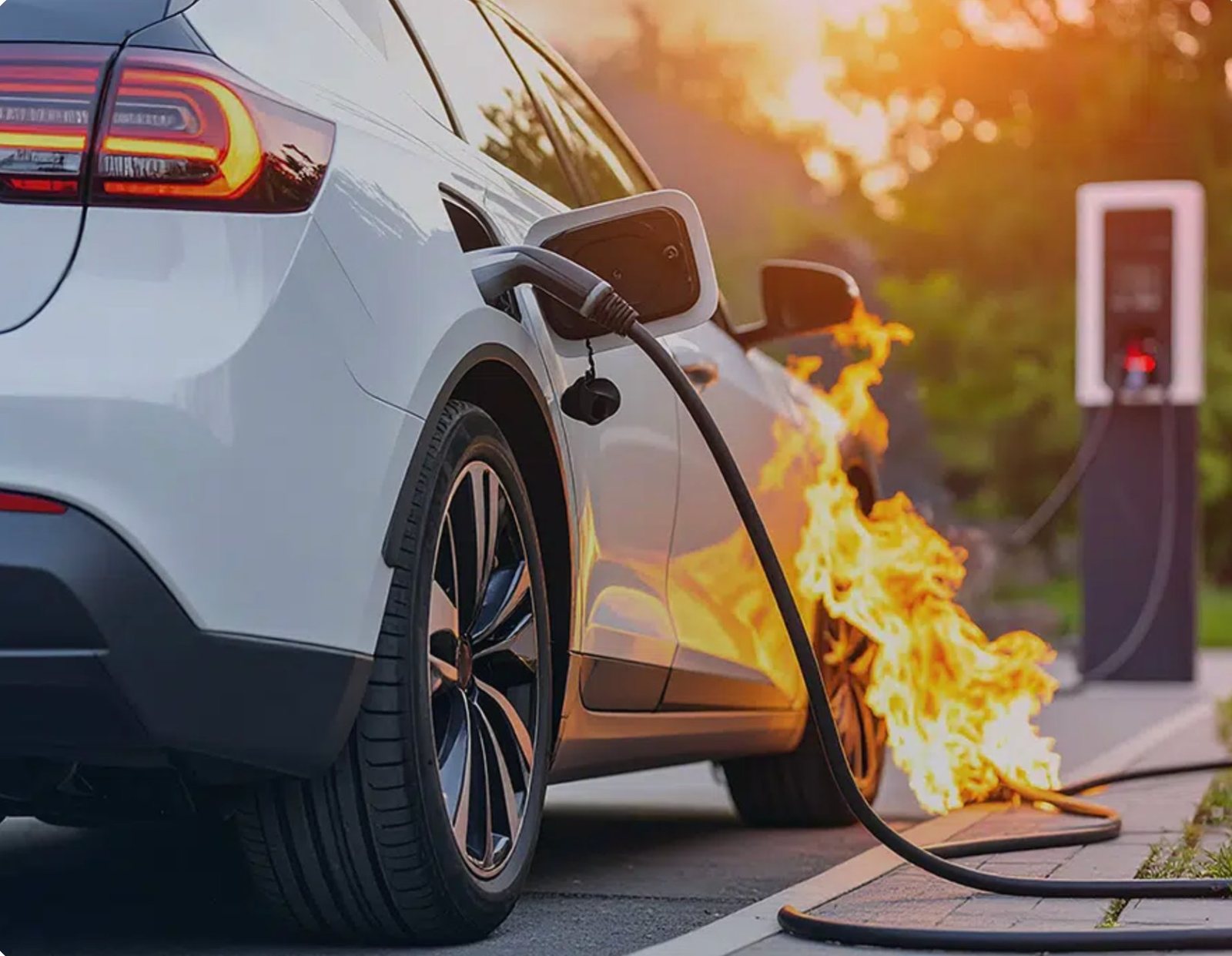
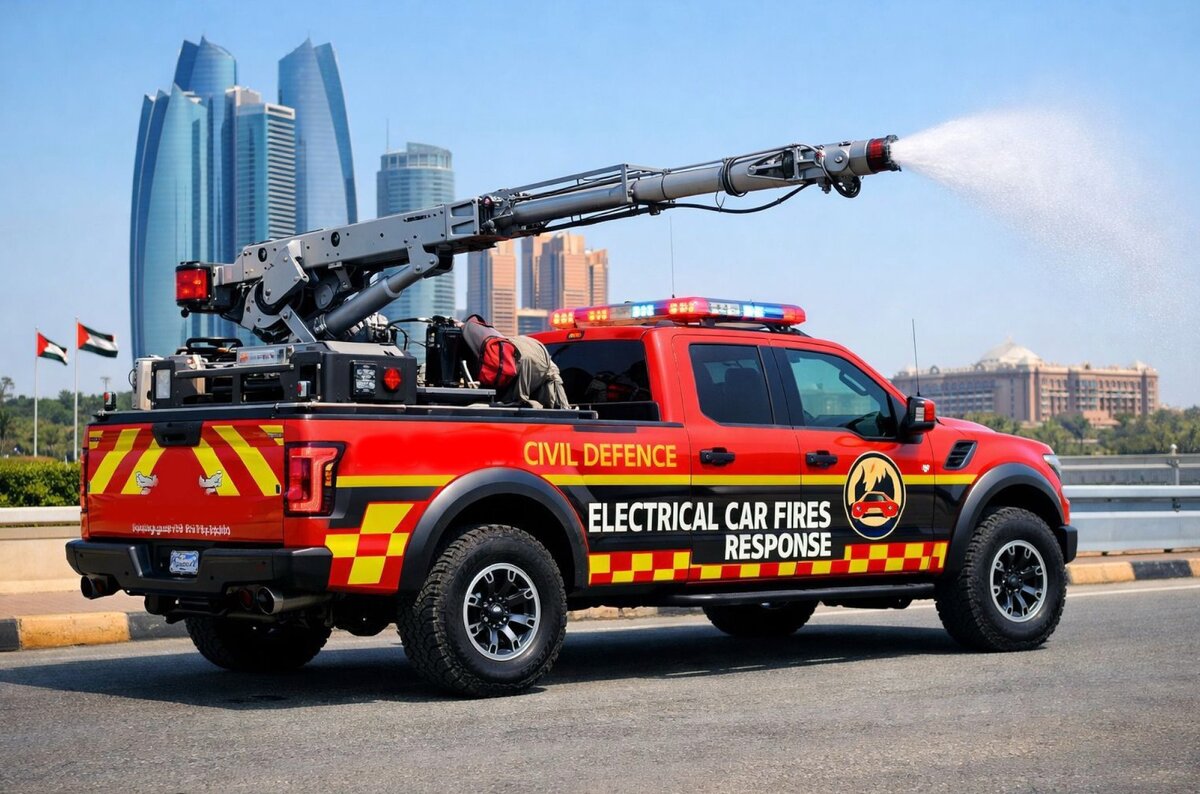
An electric-vehicle fire is a lithium-ion fire on wheels — and it often happens where fire trucks cannot go. Fipron pairs mobile units with penetrating agents to reach and cool the battery directly.

EV & Electric Vehicle Fire Suppression

Why EV fires are different

An EV fire is driven by the traction battery, not the bodywork. Water alone runs off; the cells keep reigniting until the pack is fully cooled. And the highest-risk locations — underground and multi-storey car parks, tunnels and depots — are exactly where standard appliances have no access.

The Fipron approach

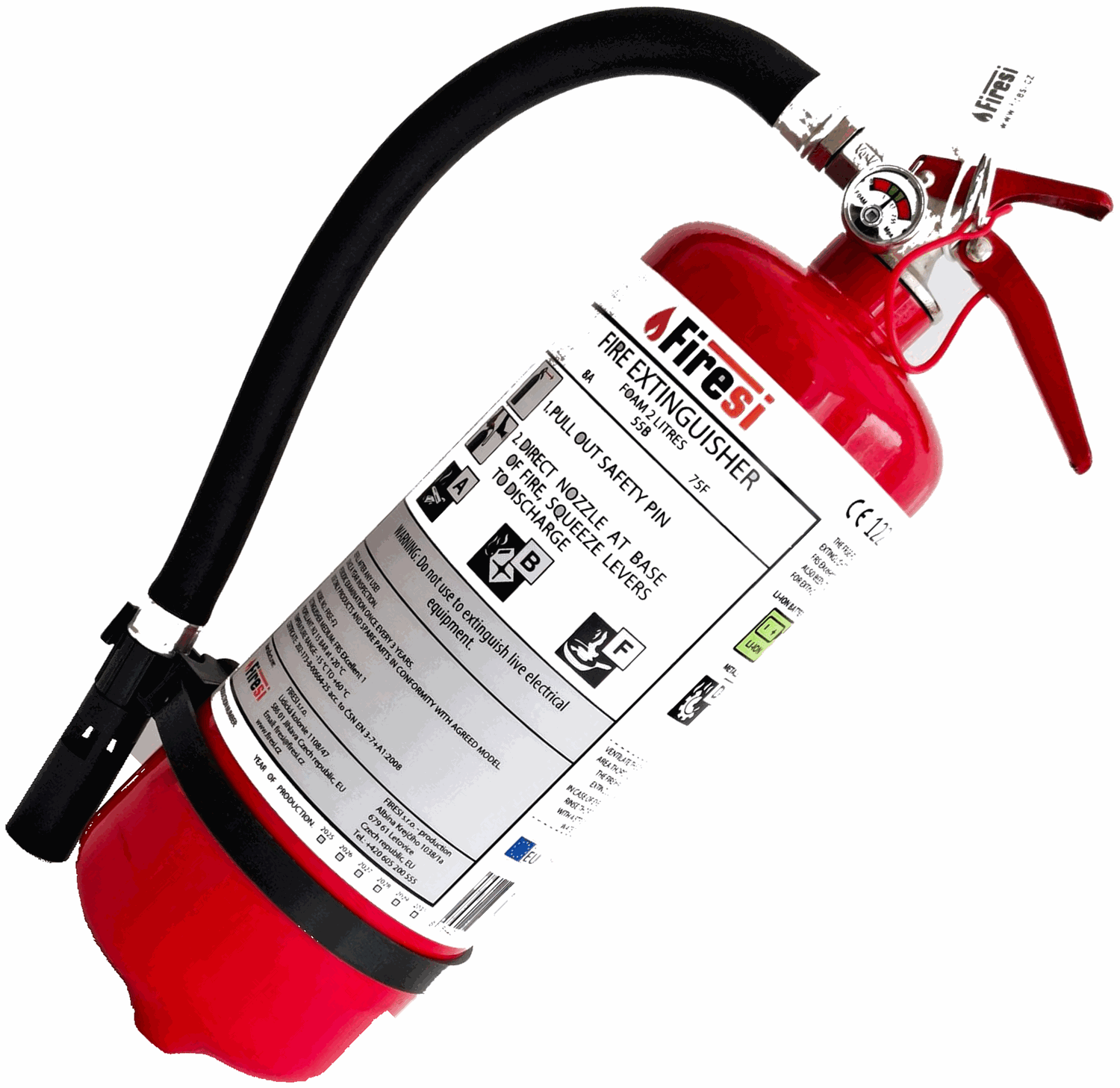
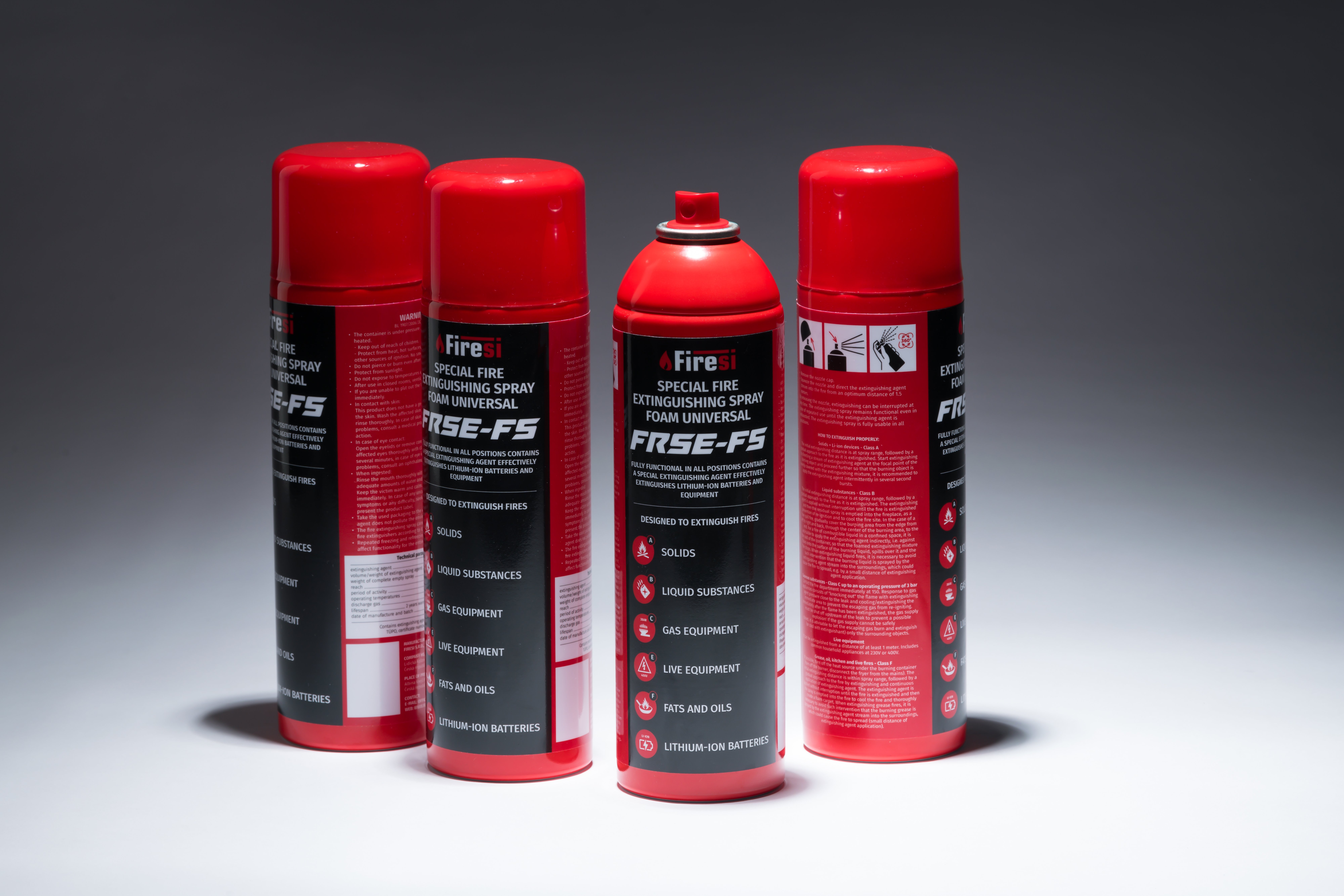
Compact Rapid Response Units reach low-clearance structures and deliver MAM Concentrate that penetrates the battery structure, cools the cells and interrupts thermal propagation. For everyday readiness, PFAS-free FRS extinguishers and sprays give staff an immediate first response at charging points.
The science

Lithium-ion thermal runaway

Thermal runaway is a self-sustaining chain reaction inside a lithium-ion cell: once a cell produces heat faster than it can shed it, each reaction triggers the next and the process can no longer be stopped from outside. It is what turns one failed cell into a full-pack fire.

It starts with abuse — mechanical (a crash, crush or puncture), thermal (external heat or a nearby fire) or electrical (overcharge, over-discharge, or an internal short from a manufacturing defect or dendrite).

The temperature cascade

Stage 1
80–120°C

SEI breakdown

The cell’s protective SEI layer decomposes. The anode reacts with the electrolyte, giving off heat and the first flammable gases.

Stage 2
130–190°C

Separator collapse

The polymer separator melts and the electrodes touch. The internal short circuit dumps energy and spikes the temperature.

Stage 3
150–250°C

Oxygen release

The cathode decomposes and releases its own oxygen inside the cell — so the fire no longer needs outside air to burn.

Runaway
>250°C

Ignition & spread

Vented gases ignite. A single cell can pass 800°C and a full pack ~1,200°C, driving neighbouring cells into the same cycle.

Why it is so hard to stop

  • It makes its own oxygen. Because the cathode releases oxygen, the fire cannot simply be smothered — removing air is not enough.
  • It vents toxic, flammable gas. Escaping gases include hydrogen, carbon monoxide and hydrogen fluoride, and in enclosed spaces such as car parks can cause a vapour-cloud explosion.
  • It propagates cell to cell. Radiant heat forces neighbouring cells into runaway, so a pack fire builds within seconds.
  • It reignites. A pack that looks extinguished can re-enter runaway hours, days or even weeks later, until every cell is fully cooled.
Cell abuseInternal shortGas ventingIgnitionCell-to-cell spreadRe-ignition

Temperatures are typical ranges and vary with cell chemistry (NMC vs LFP), format and state of charge.

Why enclosed spaces raise the stakes

Car-park & enclosed-space fires

Most of these fires began with a conventional vehicle — but in a car park now filled with high-energy batteries, any ignition sits beside fuel that burns hotter, longer and harder to reach, and can drive nearby vehicles into the same cycle.

2023
Luton Airport, UK. A fire that began with one vehicle spread through a multi-storey car park and destroyed more than 1,300 vehicles, collapsing part of the structure and closing the terminal.
2021
High-rise complex, South Korea. An electric-vehicle fire in an underground car park spread rapidly, damaging around 90 vehicles and affecting hundreds more.
2020
Stavanger Airport, Norway. A car-park fire spread across roughly 300 vehicles in a confined parking area.
2017
Liverpool Echo Arena, UK. A blaze in a multi-storey car park destroyed about 1,400 vehicles.

Summaries of widely reported multi-storey and enclosed car-park fires.

Recommended products for this application

EV & Electric Vehicle Fire Suppression

Tell us about your site and our Dubai team will recommend the right Fipron configuration for ev & electric vehicle fire suppression.

Request a Consultation →